Made for More SVG: A Faith-Fueled Embroidery Design Review
When I first opened the Made for More SVG file, I was struck by its simplicity and strength. As a designer who frequently works with inspirational and religious-themed embroidery, I look for designs that not only carry emotional weight but also stitch cleanly and consistently across different projects. This design checks both boxes — it’s visually uplifting and technically solid.
First Impressions and Visual Personality
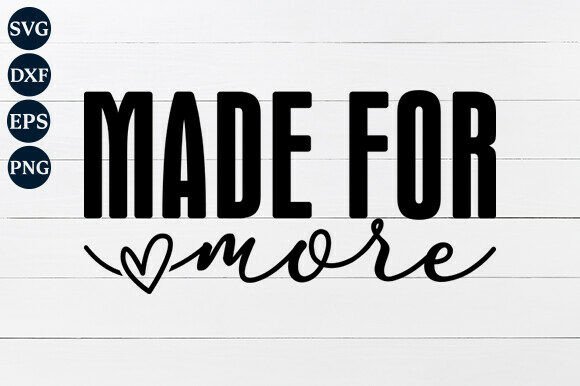
The phrase “Made for More” is centered in bold, clear lettering, making it instantly readable even at a glance. The layout is clean and balanced, with just enough negative space to let the message breathe. There are no overly intricate flourishes or busy backgrounds, which is a huge plus when considering how this will translate into real-world embroidery.
I noticed that the text has a modern, slightly rounded feel without being too casual. It walks the line between spiritual and stylish — perfect for someone looking to blend faith with fashion. The inclusion of phrases like “Blessed,” “Faith,” “Jesus,” and “You Are Enough” suggests that this SVG is intended for a wide range of applications, from personal gifts to commercial apparel.
What Kind of Project Fits Best?
This design naturally belongs on items where a heartfelt message can shine through without overwhelming the fabric or the viewer. Think of custom sweatshirts for a church group, embroidered patches for ministry outreach, or personalized aprons for a boutique kitchen set. It’s especially suited for tote bag designs, where a strong visual statement can be paired with functionality.
I imagine it working beautifully as a centerpiece on a holiday gift, like an embroidered pillow cover or a decorative tea towel. Its positive tone makes it ideal for baby embroidery or nursery decor, where soft yet meaningful messaging is key. For a small shop product or Etsy listing, this SVG offers a sense of purpose and care that customers respond to emotionally.
Real-World Performance Across Projects
Embroidery is all about context. A design might look great in isolation, but it needs to work well within the scope of your project. Let me walk through a few scenarios where Made for More SVG could perform well:
- Custom Apparel: On a sweatshirt or t-shirt, the design stands out with minimal background interference. The clarity of the letters ensures they remain legible after stitching, especially if you use high-quality thread colors that contrast well with the fabric.
- Tote Bag Design: The flat nature of the design translates well to cotton or canvas tote bags. It won’t get lost in texture or hoop distortion because it’s structured with defined shapes and lines.
- Baby Clothes: When using this for baby embroidery, I’d suggest placing it on a larger surface area like a onesie front panel or a bib. The lack of tiny details makes it forgiving for beginners or for those using less precise machines.
- Embroidered Patch: As an applique design, it would make a powerful patch for jackets, backpacks, or denim. The boldness of the message pairs well with the tactile appeal of a stitched patch.
- Pillow Covers & Tea Towels: These items often have textured surfaces, but the straightforward layout of Made for More SVG handles that well. Just ensure you stabilize properly and test the stitch density before committing to a full batch.
Where to Use with Caution
While versatile, there are some areas where this design requires thoughtful application:
- Small Hoop Sizes: If you're planning to embroider on a cap or hat, consider scaling down carefully. The design doesn’t have tiny elements that might disappear, but proportionality matters for curved surfaces.
- Stretchy or Thin Fabrics: Designs with running stitch or satin columns need extra support on stretchy materials. You’ll want to use a stabilizer and possibly adjust the tension to avoid puckering.
- Dense Stitch Areas: While the design isn’t overly dense, if you plan to layer it with other embroidery elements, watch out for bulk buildup. That can affect the overall presentation, especially on delicate fabrics.
- Dark Fabric Backgrounds: Thread color choice becomes critical here. White or pastel threads might not show up well on darker bases. Consider using light-colored thread or a contrasting backing for better visibility.
- Products That Need Frequent Washing: The design should hold up well if stitched correctly, but always recommend using quality threads and proper stabilization techniques for long-lasting results.
Design Impact on Your Finished Product
From a branding and customer engagement standpoint, Made for More SVG adds a layer of authenticity to any handmade product or craft business item. It communicates hope, resilience, and encouragement — values that resonate deeply in today’s market.
As a machine embroidery design, it enhances the visual appeal of your finished product without requiring advanced skills. The consistent spacing and clean edges help maintain professionalism, whether you’re creating one-offs for clients or producing small batches for resale.
Using this design on an Etsy listing or at a craft fair can increase buyer engagement. People are drawn to messages that reflect their beliefs or aspirations. If you pair it with a printable mockup showing it on a sweatshirt or tote, you’ll give potential buyers a clear idea of what to expect — which builds trust and reduces returns.
For commercial embroidery, the design’s versatility is a win. It fits seamlessly into collections that include Christian Svg, Religious Svg, or Motivational Svg themes. And as a digital embroidery file, it’s ready to go once you confirm your setup and licensing terms.
Designer Notes: How to Get the Most Out of This Design
Here’s what I recommend when incorporating Made for More SVG into your workflow:
- Test on Scrap Fabric First: Always run a trial stitch on a sample piece to see how the design interacts with your chosen material and thread.
- Check Thread Color Contrast: Especially important for dark or textured fabrics. Light thread on dark fabric can create a subtle yet elegant effect, while white thread on black may require more coverage or backing.
- Review Stitch Density: Since the design includes fill stitches, assess whether they’re tight enough for your machine and fabric type. Adjust if needed to prevent gaps or over-stitching.
- Confirm Hoop Size: Though not specified in the listing, it's crucial to determine the recommended hoop size based on your machine’s capabilities and the scale of your final product.
- Inspect Small Details: Even though the design is minimal, double-check the corners and curves for smoothness. A slight glitch in the SVG can throw off the whole look.
- Use Proper Stabilizer: Especially for lightweight or stretchy fabrics. Tackiness helps keep everything in place during stitching, preventing distortion.
- Test in Black and White Mockups: Before finalizing thread colors, simulate how the design looks in grayscale. This helps identify contrast issues early on.
- Compare Light and Dark Backgrounds: If you're selling digital product previews or printable mockups, offer variations so buyers can choose what works best for them.
- Check Licensing Before Selling: Make sure the design allows for commercial use if you're planning to sell finished products or digital assets. Licensing terms can vary widely, and it’s essential to stay compliant.
Final Thoughts for Crafters and Creative Entrepreneurs
As someone who regularly evaluates embroidery files for real-life application, I appreciate when a design feels intentional and adaptable. Made for More SVG delivers that with a clear, bold message that feels both authentic and accessible.
It’s not flashy or complex, but that’s exactly why it works. In a world where customization is king, this kind of design speaks directly to the heart of the customer. Whether you're an embroidery hobbyist or a seasoned apparel decorator, you'll find value in its flexibility and emotional resonance.
So, if you're thinking of adding a touch of inspiration to your next project — be it a sweatshirt embroidery piece or a holiday gift — this design could be a solid choice. Just remember to tailor it to your specific materials and audience, and you’ll likely end up with something truly meaningful.